
SPOILER ALERT!
Explore The Ten Vital Referrals For Efficient Water Damages Reconstruction That Might Protect Against Further Concerns In Your House; Make Sure To Abide By These Important Steps!
Write-Up By-Odom Morsing
When confronted with water damages, your prompt action can make all the distinction. You require to act promptly to lessen the influence and ensure safety and security first. Determining the source of the water is vital, as is eliminating any type of standing water. But what actions should you take next? Understanding the whole remediation process can help you properly take on the circumstance and protect against future problems. Let's explore the crucial pointers you must bear in mind.
When water damages strikes, you need to act promptly to reduce the impact. The longer you wait, the extra extensive the damage can become, resulting in costly repairs and possible carcinogen.
Initially, examine the circumstance and establish the resource of the water. If it's secure, turned off the primary supply of water to prevent more flooding.
Next, get rid of any type of important products and furniture from the damaged area to safeguard them from dampness. Use towels or sponges to absorb standing water, and open windows for ventilation.
When possible, set up followers and dehumidifiers to quicken the drying procedure. Performing fast can save your residential or commercial property and minimize the threat of mold and mildew development, so don't hesitate to take immediate activity.
Prior to diving right into the restoration procedure, it's crucial to prioritize your safety. Beginning by evaluating the location for any electric dangers. If you spot standing water, prevent making use of electric devices or outlets close by.
Wear protective gear, such as gloves and masks, to shield yourself from contaminants. Make certain the location is well-ventilated; open home windows and make use of fans to minimize wetness buildup.
If the water is from a sewage back-up, leave immediately and call specialists. Keep kids and pets far from the afflicted location until it's risk-free.
To efficiently take on water damage, you have to initially locate the resource of the water intrusion.
Beginning by examining locations where water is most likely to go into, such as roofs, wall surfaces, and plumbing fixtures. Check for visible leakages, wet places, or water discolorations.
Don't forget to look in surprise areas like cellars and crawl spaces. If you think a device, like a washing device or dishwasher, be sure to inspect hose pipes and connections.
In some cases, the source might not appear, so think about utilizing wetness meters or infrared cameras for a much more complete investigation.
Once you determine the resource, you can take the required actions to mitigate further damages and make sure a more reliable reconstruction procedure.
Act rapidly to get rid of standing water, as it can result in further damages and mold and mildew growth. Use a wet/dry vacuum cleaner or a pump to essence water efficiently.
If the location is big, take into consideration renting commercial-grade tools to quicken the procedure. Use protective gear, consisting of gloves and boots, to secure yourself from impurities.
Check for hidden pockets of water in rugs, under furniture, and in wall surfaces. Don't neglect to turn off electrical energy to prevent risks.
When you've gotten rid of the bulk of the water, get rid of soaked materials properly. If you observe any kind of particles or mud, clean it bent on stop more issues.
The earlier you act, the much better your chances of minimizing damages and restoring your area effectively.
Once you have actually removed standing water, it's time to dry the influenced locations to stop mold and architectural damages.
Beginning by using fans and dehumidifiers to circulate air and minimize humidity. Open windows and doors to improve airflow, however only if the outside air isn't moist.
Concentrate on wet materials like rugs, furnishings, and drywall-- these requirement instant attention. Remove any type of drenched items, and guarantee you aerate enclosed spaces. If possible, lift carpetings to allow the flooring beneath to completely dry.
Check for covert moisture in walls and corners, as this can cause long-lasting concerns. Hold your horses; drying out can require time, however thoroughness now saves you frustrations later.
Keep keeping track of the locations till everything is totally dry.
After you've dried out the affected locations, cleansing and decontaminating surface areas is vital to remove any lingering impurities and stop mold growth.
Begin by gathering your cleaning supplies, including a pail, sponge, and appropriate anti-bacterial. Focus on surfaces that entered contact with the water, like floors, walls, and furnishings.
Utilize a combination of water and anti-bacterial to scrub these locations extensively. Do not forget to pay special focus to corners and holes, where germs and mold can hide.
After cleansing, wash the surfaces with clean water to remove any type of residue. Allow every little thing to air dry completely.
http://delfina904lenny.xtgem.com/__xt_blog/__xtblog_entry/__xtblog_entry/37686169-understand-the-essential-procedures-for-recovering-water-damages-to-maintain-the-honesty-of-your-environment-learn-what-activities-to-take-alongside-prevent-any-type-of-extra-concerns?__xtblog_block_id=1#xt_blog ensures a sanitary setting however likewise prepares your space for more repair efforts.
As you start the reconstruction process, analyzing and documenting the damages is vital to recognize the level of the problem.
Beginning by going through the influenced locations, making note of visible damages to walls, floors, and individual possessions. Make use of a cam or smart device to take clear images, catching details that may be important later on.
Make a list of damaged things, noting their problem and any type of necessary fixings or substitutes. This paperwork will act as a beneficial recommendation for insurance policy claims and the repair process.
Do not neglect to determine areas impacted by water, as this information can help specialists identify the best strategy.
Maintaining comprehensive documents ensures you have whatever you require for an effective remediation.
Mold and mildew growth can come to be a severe problem if water damage isn't resolved quickly.
After managing water damages, it's important to look for any indicators of mold and mildew. Evaluate locations that are damp or have actually been affected by water, like wall surfaces, ceilings, and floors. Look for discoloration, musty smells, or fuzzy patches, which can show mold and mildew existence.
If you detect any mold, act swiftly to have it, as it can spread out quickly. Think about making use of safety equipment, like gloves and masks, when managing musty materials.
As soon as you have actually checked for mold and mildew development and taken required precautions, it's time to focus on fixing and recovering your area.
Begin by assessing the damage completely. Replace any water-damaged drywall, flooring, or insulation, making sure whatever is dry before installation. Pay special attention to your electrical systems; get in touch with a professional if you're uncertain regarding safety.
Next, repaint wall surfaces and ceilings to renew your room, making use of mold-resistant paint for included security.
Reinstall components, cabinets, and home furnishings, ensuring they're in good condition.
Finally, check for any remaining smells and make use of air cleansers or dehumidifiers to clear the air. By taking these steps, you'll not only recover your area yet also produce a much healthier setting for you and your family.
To stop future water damages, it's important to remain positive in preserving your home. Frequently examine visit the next website page for missing out on or damaged shingles, as leaks can result in considerable issues.
Clean gutters and downspouts to guarantee appropriate water flow, stopping overflow that can saturate your structure. Inspect plumbing for leakages and fix them right away-- do not wait till they trigger significant problems.
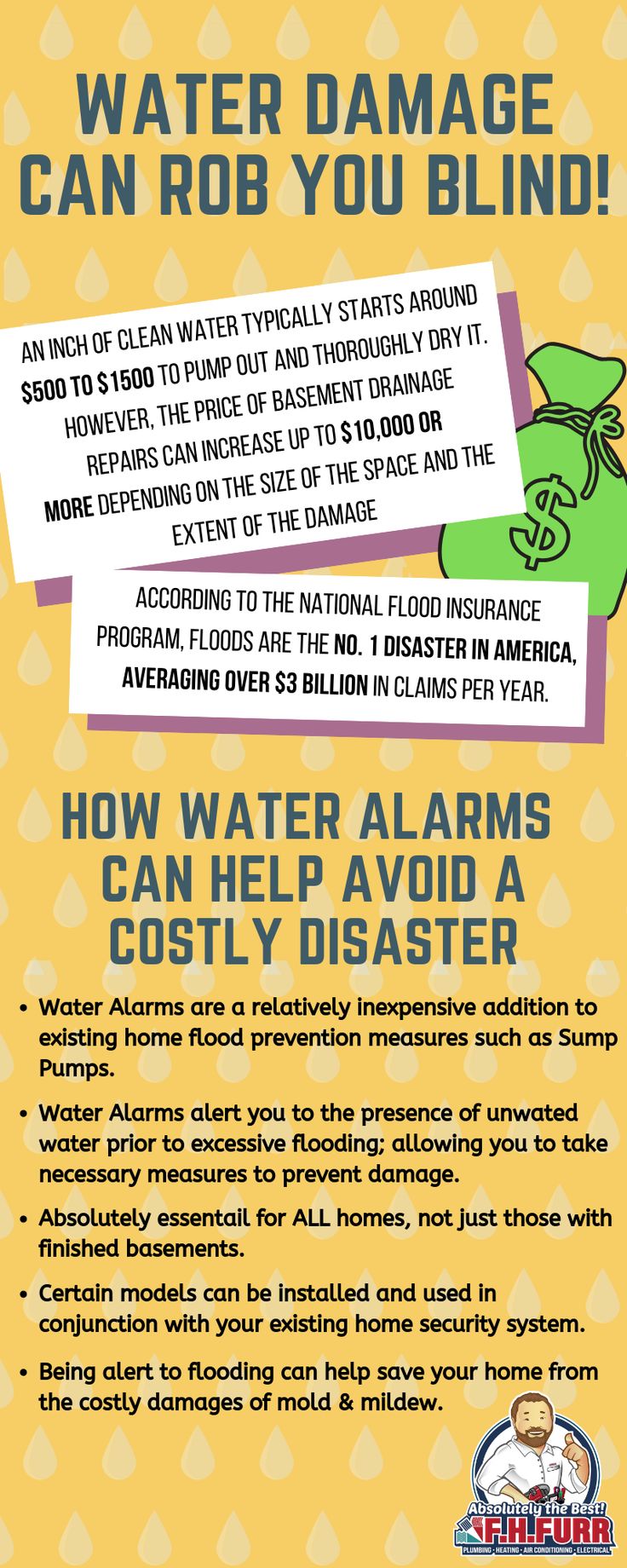
Purchase sump pumps for cellars and think about installing water alarm systems to capture leakages early. Ensure your home's grading guides water far from the foundation.
Finally, if you live in a flood-prone location, maintain sandbags on hand. By taking these steps, you'll dramatically minimize the threat of water damages and protect your home for the long term.
https://blogfreely.net/shakita95ryann/eliminating-mold-and-mildew-the-advantages-of-involving-specialist-solutions
In conclusion, efficient water damages restoration rests on your quick and definitive activities. By focusing on safety, quickly removing standing water, and thoroughly drying impacted locations, you can reduce damages and protect against further issues. Don't forget to check for mold and mildew and paper every little thing for insurance coverage functions. If the damage is extensive, do not be reluctant to call experts. By taking these important steps, you'll safeguard your home and make certain an effective restoration procedure.
When confronted with water damages, your prompt action can make all the distinction. You require to act promptly to lessen the influence and ensure safety and security first. Determining the source of the water is vital, as is eliminating any type of standing water. But what actions should you take next? Understanding the whole remediation process can help you properly take on the circumstance and protect against future problems. Let's explore the crucial pointers you must bear in mind.
Act Quickly to Decrease Damage
When water damages strikes, you need to act promptly to reduce the impact. The longer you wait, the extra extensive the damage can become, resulting in costly repairs and possible carcinogen.
Initially, examine the circumstance and establish the resource of the water. If it's secure, turned off the primary supply of water to prevent more flooding.
Next, get rid of any type of important products and furniture from the damaged area to safeguard them from dampness. Use towels or sponges to absorb standing water, and open windows for ventilation.
When possible, set up followers and dehumidifiers to quicken the drying procedure. Performing fast can save your residential or commercial property and minimize the threat of mold and mildew development, so don't hesitate to take immediate activity.
Ensure Safety First
Prior to diving right into the restoration procedure, it's crucial to prioritize your safety. Beginning by evaluating the location for any electric dangers. If you spot standing water, prevent making use of electric devices or outlets close by.
Wear protective gear, such as gloves and masks, to shield yourself from contaminants. Make certain the location is well-ventilated; open home windows and make use of fans to minimize wetness buildup.
If the water is from a sewage back-up, leave immediately and call specialists. Keep kids and pets far from the afflicted location until it's risk-free.
Find the Resource of Water
To efficiently take on water damage, you have to initially locate the resource of the water intrusion.
Beginning by examining locations where water is most likely to go into, such as roofs, wall surfaces, and plumbing fixtures. Check for visible leakages, wet places, or water discolorations.
Don't forget to look in surprise areas like cellars and crawl spaces. If you think a device, like a washing device or dishwasher, be sure to inspect hose pipes and connections.
In some cases, the source might not appear, so think about utilizing wetness meters or infrared cameras for a much more complete investigation.
Once you determine the resource, you can take the required actions to mitigate further damages and make sure a more reliable reconstruction procedure.
Get Rid Of Standing Water
Act rapidly to get rid of standing water, as it can result in further damages and mold and mildew growth. Use a wet/dry vacuum cleaner or a pump to essence water efficiently.
If the location is big, take into consideration renting commercial-grade tools to quicken the procedure. Use protective gear, consisting of gloves and boots, to secure yourself from impurities.
Check for hidden pockets of water in rugs, under furniture, and in wall surfaces. Don't neglect to turn off electrical energy to prevent risks.
When you've gotten rid of the bulk of the water, get rid of soaked materials properly. If you observe any kind of particles or mud, clean it bent on stop more issues.
The earlier you act, the much better your chances of minimizing damages and restoring your area effectively.
Dry Affected Locations
Once you have actually removed standing water, it's time to dry the influenced locations to stop mold and architectural damages.
Beginning by using fans and dehumidifiers to circulate air and minimize humidity. Open windows and doors to improve airflow, however only if the outside air isn't moist.
Concentrate on wet materials like rugs, furnishings, and drywall-- these requirement instant attention. Remove any type of drenched items, and guarantee you aerate enclosed spaces. If possible, lift carpetings to allow the flooring beneath to completely dry.
Check for covert moisture in walls and corners, as this can cause long-lasting concerns. Hold your horses; drying out can require time, however thoroughness now saves you frustrations later.
Keep keeping track of the locations till everything is totally dry.
Clean and Disinfect Surfaces
After you've dried out the affected locations, cleansing and decontaminating surface areas is vital to remove any lingering impurities and stop mold growth.
Begin by gathering your cleaning supplies, including a pail, sponge, and appropriate anti-bacterial. Focus on surfaces that entered contact with the water, like floors, walls, and furnishings.
Utilize a combination of water and anti-bacterial to scrub these locations extensively. Do not forget to pay special focus to corners and holes, where germs and mold can hide.
After cleansing, wash the surfaces with clean water to remove any type of residue. Allow every little thing to air dry completely.
http://delfina904lenny.xtgem.com/__xt_blog/__xtblog_entry/__xtblog_entry/37686169-understand-the-essential-procedures-for-recovering-water-damages-to-maintain-the-honesty-of-your-environment-learn-what-activities-to-take-alongside-prevent-any-type-of-extra-concerns?__xtblog_block_id=1#xt_blog ensures a sanitary setting however likewise prepares your space for more repair efforts.
Assess and Document Damage
As you start the reconstruction process, analyzing and documenting the damages is vital to recognize the level of the problem.
Beginning by going through the influenced locations, making note of visible damages to walls, floors, and individual possessions. Make use of a cam or smart device to take clear images, catching details that may be important later on.
Make a list of damaged things, noting their problem and any type of necessary fixings or substitutes. This paperwork will act as a beneficial recommendation for insurance policy claims and the repair process.
Do not neglect to determine areas impacted by water, as this information can help specialists identify the best strategy.
Maintaining comprehensive documents ensures you have whatever you require for an effective remediation.
Look For Mold And Mildew Growth
Mold and mildew growth can come to be a severe problem if water damage isn't resolved quickly.
After managing water damages, it's important to look for any indicators of mold and mildew. Evaluate locations that are damp or have actually been affected by water, like wall surfaces, ceilings, and floors. Look for discoloration, musty smells, or fuzzy patches, which can show mold and mildew existence.
If you detect any mold, act swiftly to have it, as it can spread out quickly. Think about making use of safety equipment, like gloves and masks, when managing musty materials.
Repair service and Bring back
As soon as you have actually checked for mold and mildew development and taken required precautions, it's time to focus on fixing and recovering your area.
Begin by assessing the damage completely. Replace any water-damaged drywall, flooring, or insulation, making sure whatever is dry before installation. Pay special attention to your electrical systems; get in touch with a professional if you're uncertain regarding safety.
Next, repaint wall surfaces and ceilings to renew your room, making use of mold-resistant paint for included security.
Reinstall components, cabinets, and home furnishings, ensuring they're in good condition.
Finally, check for any remaining smells and make use of air cleansers or dehumidifiers to clear the air. By taking these steps, you'll not only recover your area yet also produce a much healthier setting for you and your family.
Prevent Future Water Damages
To stop future water damages, it's important to remain positive in preserving your home. Frequently examine visit the next website page for missing out on or damaged shingles, as leaks can result in considerable issues.
Clean gutters and downspouts to guarantee appropriate water flow, stopping overflow that can saturate your structure. Inspect plumbing for leakages and fix them right away-- do not wait till they trigger significant problems.
Purchase sump pumps for cellars and think about installing water alarm systems to capture leakages early. Ensure your home's grading guides water far from the foundation.
Finally, if you live in a flood-prone location, maintain sandbags on hand. By taking these steps, you'll dramatically minimize the threat of water damages and protect your home for the long term.
https://blogfreely.net/shakita95ryann/eliminating-mold-and-mildew-the-advantages-of-involving-specialist-solutions
In conclusion, efficient water damages restoration rests on your quick and definitive activities. By focusing on safety, quickly removing standing water, and thoroughly drying impacted locations, you can reduce damages and protect against further issues. Don't forget to check for mold and mildew and paper every little thing for insurance coverage functions. If the damage is extensive, do not be reluctant to call experts. By taking these important steps, you'll safeguard your home and make certain an effective restoration procedure.
